Capacity Reconstruction Under Extreme Conditions: Low-Cost Recovery Strategies for Damaged Oil Wells

When facing force majeure events such as wars or natural disasters, oil and gas wells often suffer systemic damage ranging from surface manifolds to underground casings, pushing a well costing tens or even hundreds of millions to the brink of abandonment. This brings not only massive asset losses but also severe well control crises and engineering challenges.
When surface manifolds and blowout preventer (BOP) equipment are reduced to scorched earth, and the underground wellbore experiences severe deformation and shearing, does this well still hold economic value for salvage? If so, how can we overcome numerous technical barriers to reopen the lifeline to the oil and gas reservoir at the minimum cost amidst perilous formations?
This is not merely a theoretical deduction on paper, but a major, real-world challenge currently occurring in the global petroleum industry. In actual engineering practice, low-cost post-disaster recovery is not just about rebuilding on the original site; it is a systematic game integrating engineering economics, well control and rescue, downhole debris cleaning, and cutting-edge sidetracking techniques.
This article will systematically explore the repair value boundaries of extremely damaged oil wells and deeply analyze the complete technical pathway from early well control and rescue, fishing of complex downhole fish (debris), to the core cost-reduction technology—casing window sidetracking, providing an engineering reference for post-disaster production resumption.

I. In-Depth Assessment of Repair Value: The Economic Game Between Reconstruction and Abandonment
When a well's surface facilities (such as the Christmas tree, surface manifolds, and BOP stack) are completely destroyed, and the underground wellbore (casing strings) also suffers severe deformation or shearing due to explosion shockwaves or geological faults, the engineer's primary task is to conduct an "economic limit assessment".
- Sunk Costs and Repair Boundaries: The reconstruction cost of surface equipment is relatively fixed and transparent; the true risks and variables lie underground. If logging detection indicates that the casing damage is extremely shallow (e.g., large-area rupture of the surface casing) and is accompanied by severe formation collapse, the repair operation will consume massive amounts of rig time for casing patching or back-off and washover milling.
- Decisive Stop-Loss and Plug & Abandonment (P&A): In engineering practice, there is a baseline: if the estimated costs for debris removal, fishing, and underground repair exceed 60% to 70% of the cost of drilling a new well, and there is a high risk of secondary accidents (such as downhole workover tools getting stuck), the scheme with the lowest comprehensive cost is to implement permanent plug and abandonment (P&A). This involves pumping high-grade cement plugs into the wellbore to seal the oil and gas zones, and subsequently selecting a new well location near the original site to drill a new well using the existing surface pipeline network infrastructure.
II.Wellhead Control and Emergency Rescue Preparation
Wellhead Control and Emergency Rescue Preparation
If the assessment concludes that the middle and upper assets of the wellbore still possess high repair and utilization value, the first step must be to achieve absolute control over the wellhead.
This typically involves professional firefighting and well control interventions. After extinguishing wellhead open flames or controlling fluid blowouts, the engineering team must use hydraulic devices within a very short timeframe to forcibly shear off the damaged wellhead wreckage and install flanged or slip-type simplified wellhead equipment. Only after re-establishing a wellhead barrier capable of withstanding formation pressure can subsequent workover operations have a premise for safe execution.
III.Downhole Debridement: Fishing and Milling of Complex Debris (Fish)
Explosions and vibrations can cause large amounts of metal fragments, severed tubings, and even deformed testing instruments to fall into the wellbore. Clearing these "downhole fish" is an inevitable path to reconnect the damaged wellbore with the underlying oil and gas reservoir.
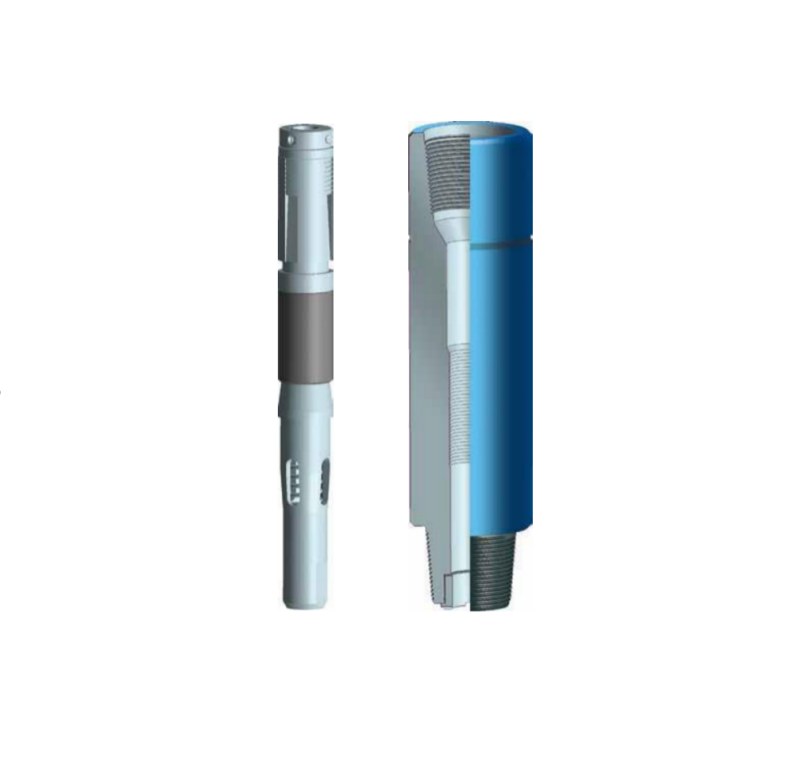
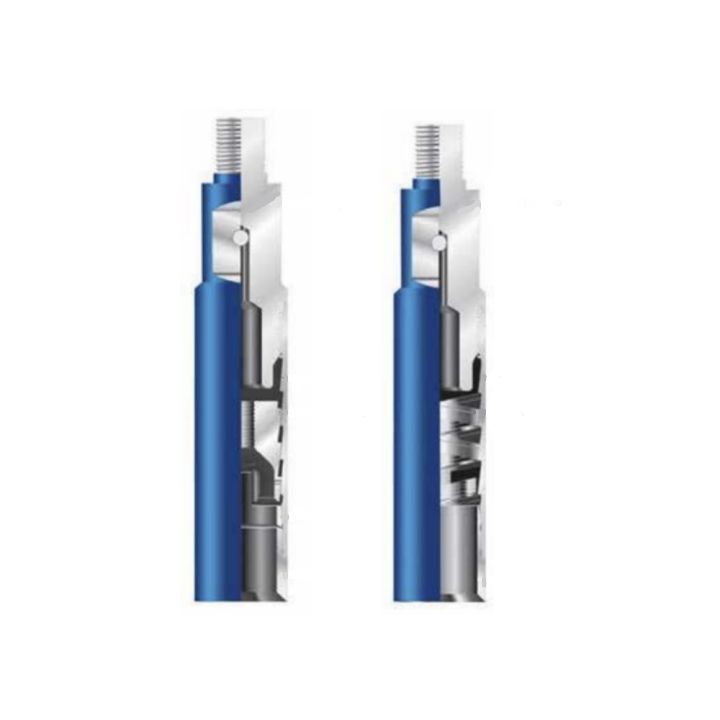
- Handling of Debris and Irregular Fish: For shrapnel or fragmented metals generated by explosions, conventional mechanical catching tools are often ineffective. In such cases, applying magnetic fishing tools or reverse circulation junk baskets produced by professional manufacturers like Tianhe Oil Group is an extremely effective technical measure. These tools utilize strong magnetic forces or localized reverse circulation of drilling fluid to absorb or carry bottom-hole debris out of the well with high efficiency, preventing cutting damage to subsequent drilling tools.
- Large Fish and Deformed Casings: If there are twisted pipe strings downhole that cannot be pulled out, engineers will run in specific flat-bottom or tapered mills to cut and grind the metal wreckage, circulating it to the surface via drilling fluid.
IV.Core Reconstruction Technology: In-Depth Analysis of Window Sidetracking
Casing window sidetracking is the most core technology for recovering losses and achieving minimum-cost production resumption in old or accident wells. When the lower part of the wellbore is completely destroyed and abandoned, but the upper casing remains intact, sidetracking technology can maximize the revitalization of this high-value asset.
The rigorous technical path for the sidetracking process is as follows:
- Spotting an Off-Bottom Cement Plug and Establishing a Datum: First, a high-strength cement plug is pumped above the damaged point (within the intact casing section) to permanently isolate the completely abandoned lower wellbore section.
- Directional Running of Whipstock: By accurately calculating the azimuth using gyro logging tools, a guiding tool with a high-hardness inclined plane (whipstock) is run in and firmly anchored above the cement plug.
- Casing Window Milling (Milling the Window): A dedicated dual-mill assembly is run in. As the drilling string rotates at high speed, the mill, under the forced guidance of the whipstock, continuously squeezes laterally and cuts the inner wall of the casing, ultimately milling an elliptical "window" on the side of the thick steel casing.
- Drilling a New Wellbore: Replace with a mud motor or rotary steerable system (RSS) + PDC bit, drill out of the window, penetrate new rock formations, and ultimately hit the target oil and gas reservoir at the bottom again.
Deep Economic Value Analysis: Even if surface facilities are completely destroyed and require reconstruction, sidetracking can still save tremendous costs. This is because it completely reuses the upper thousands of meters of wellbore trajectory and the already well-cemented surface and intermediate casings of the original well. This not only saves massive steel costs but also eliminates the long-term rig rental fees required to drill through complex shallow formations. Typically, the comprehensive well construction cost of a sidetrack well is only about 40% of drilling a new well at the original location.
V. Risk Control in Fragile Formation Environments
For oil wells that have experienced geological disturbances such as severe earthquakes or explosions, the surrounding in-situ stress balance has been severely broken. Operating in such "sub-health" wellbores is highly prone to stuck pipe accidents caused by formation collapse.
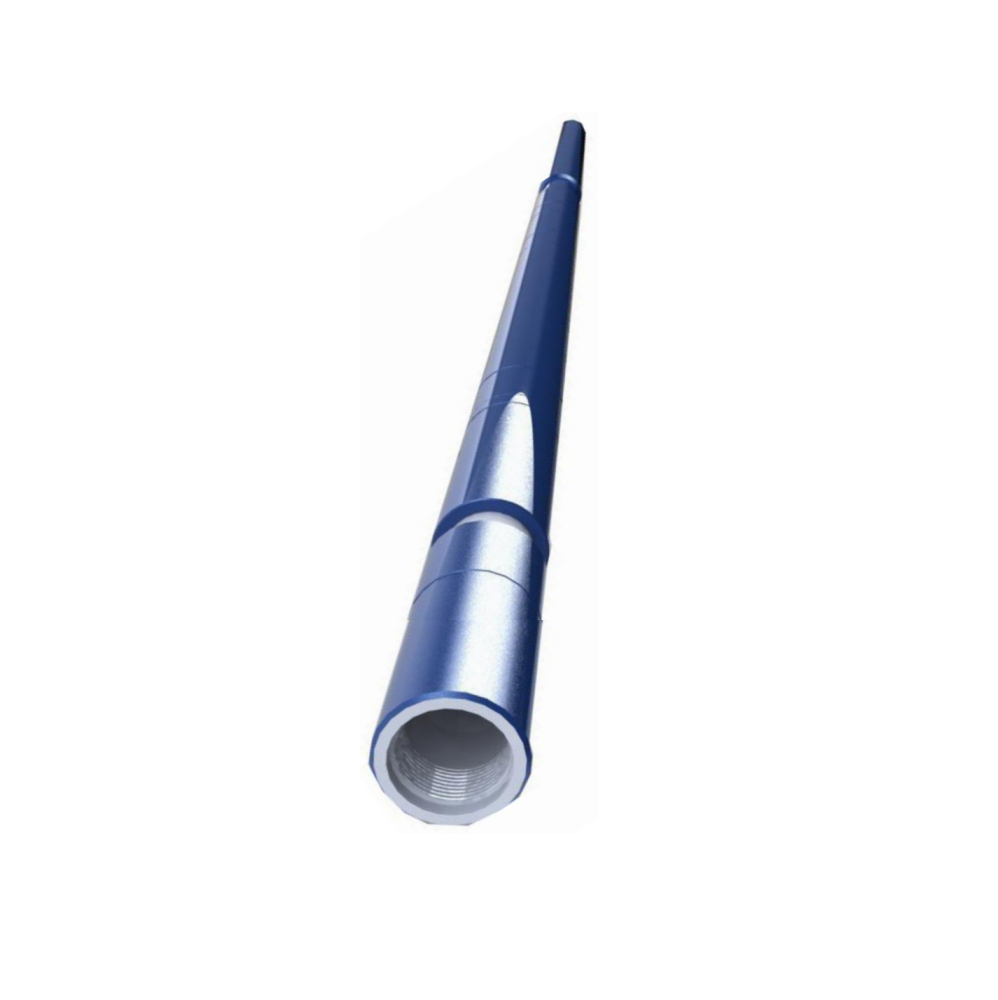
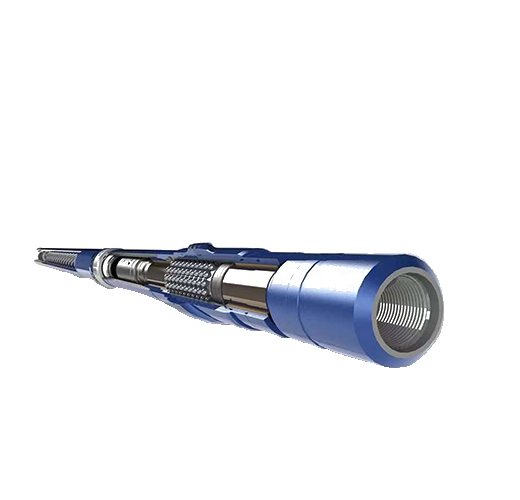
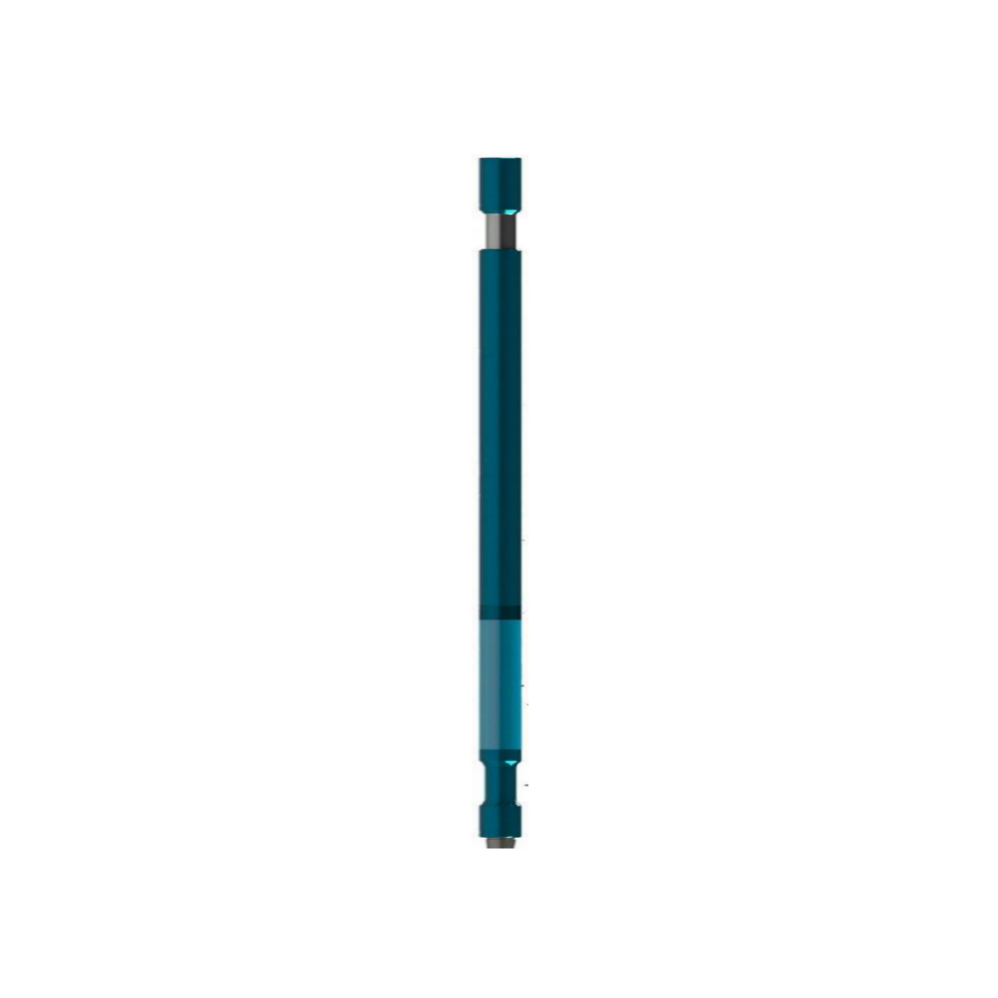
Therefore, the plugging and anti-collapse performance of the drilling fluid (mud) system must be rigorously formulated in the laboratory. Meanwhile, reliable jarring and freeing tools (such as Tianhe Oil Group's hydraulic/mechanical dual-acting drilling jar) must be included in the bottom hole assembly (BHA). Once mechanical sticking occurs due to formation collapse, it can quickly free the pipe through upward or downward jarring, preventing the workover operation from falling into a vicious cycle of "adding new blockages before old injuries heal".
Conclusion