Oil drilling knowledge
2023-03-13
Bit
The bits are mainly divided into: scraper bits; Roller bit; Diamond bit; Carbide drill; Special drill bits, etc.
The main indicators to measure the bit are: bit footage and mechanical penetration rate.
The bits are mainly divided into: scraper bits; Roller bit; Diamond bit; Carbide drill; Special drill bits, etc.
The main indicators to measure the bit are: bit footage and mechanical penetration rate.
Composition and function of drill string
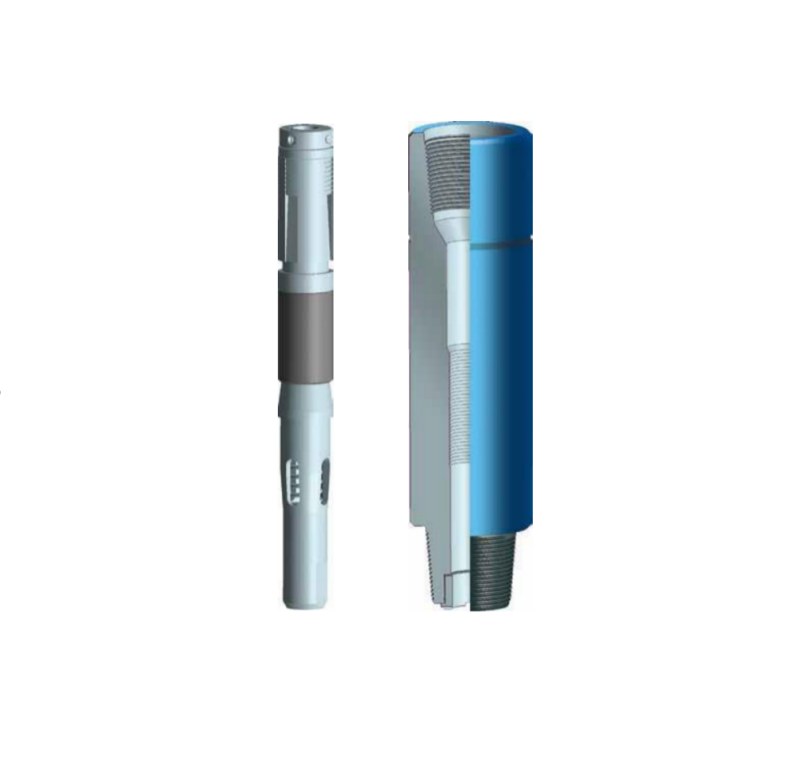
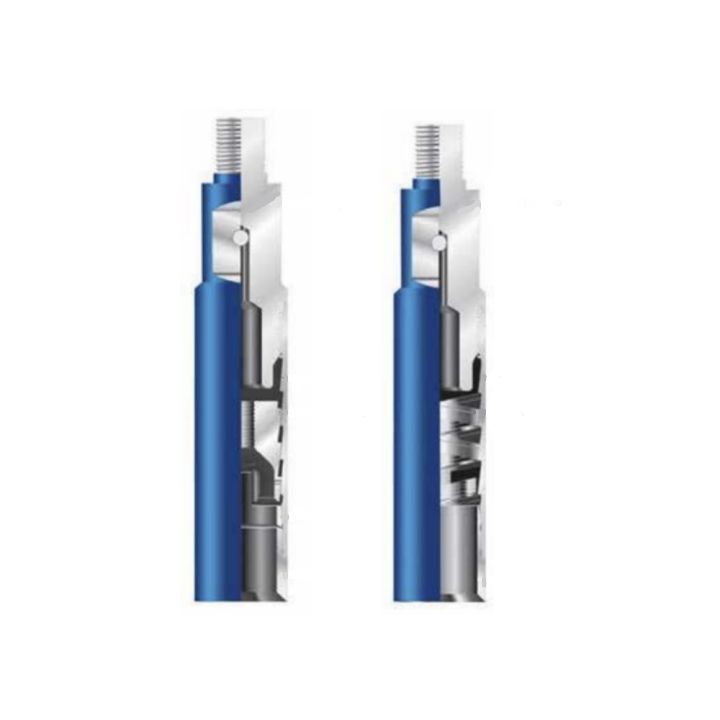
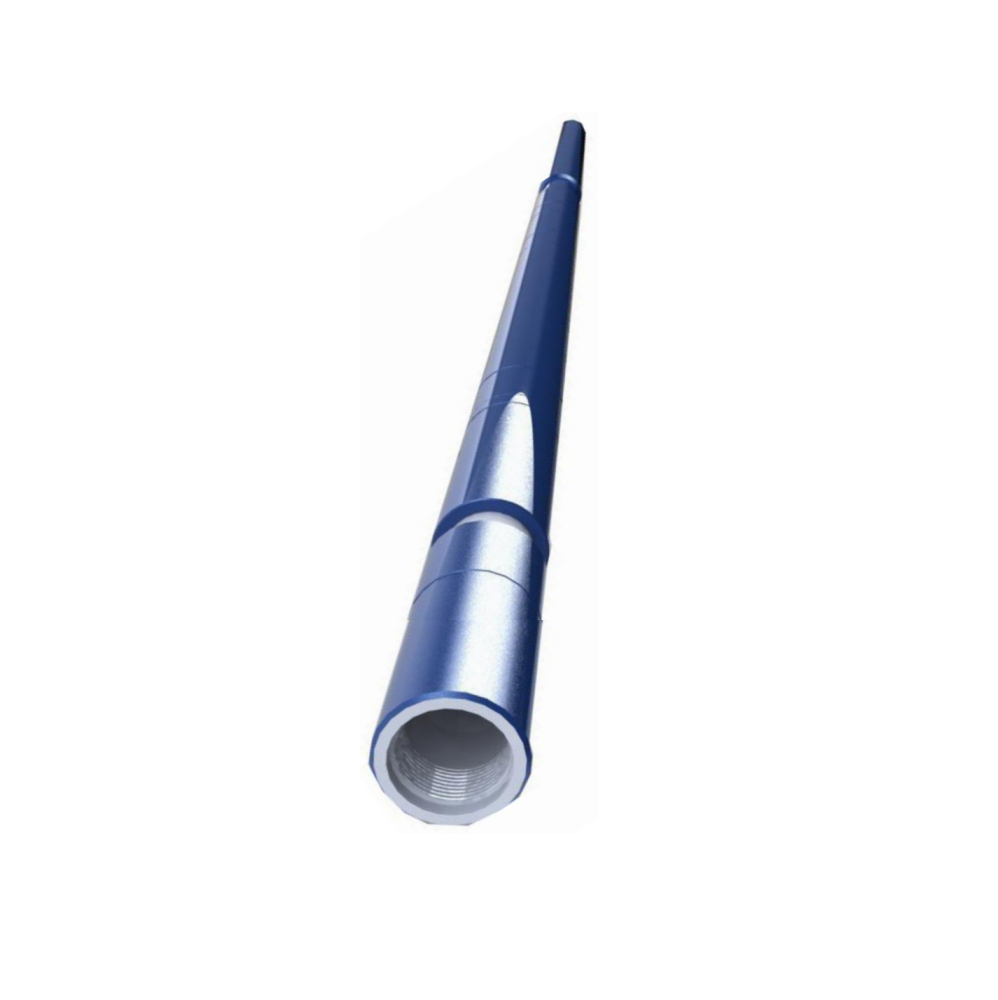
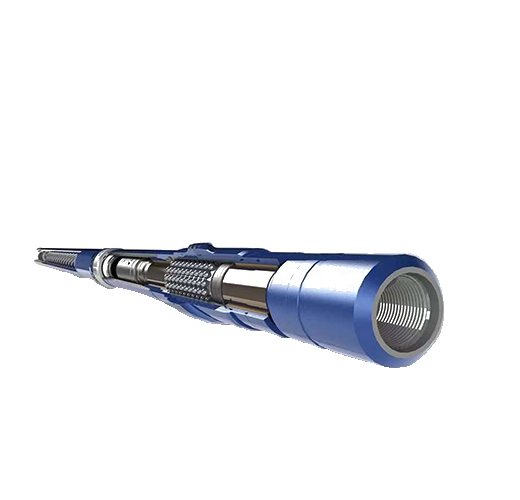
The common components of drill string include drill bit, drill collar, drill pipe, stabilizer, special joint and kelly.
The basic functions of drill string are: (1) tripping the bit; (2) Apply WOB; (3) Transfer power; (4) Conveying drilling fluid;
(5) Carry out special operations: squeezing cement, handling downhole accidents, etc.
The common components of drill string include drill bit, drill collar, drill pipe, stabilizer, special joint and kelly.
The basic functions of drill string are: (1) tripping the bit; (2) Apply WOB; (3) Transfer power; (4) Conveying drilling fluid;
(5) Carry out special operations: squeezing cement, handling downhole accidents, etc.
Performance and function of drilling fluid
The performance of drilling fluid mainly includes: (1) density; (2) Viscosity; (3) Yield value; (4) Static shear force; (5) Water loss; (6) Mud cake thickness;(7) Sand content; (8) PH; (9) Solid phase, oil and water content.
Drilling fluid is the blood of drilling, and its main functions are: 1. carrying and suspending rock cuttings; 2. Cooling and lubricating drill bits and drilling tools; 3. Clean and flush the bottom of the well to facilitate drilling4. Use the drilling fluid column pressure to prevent blowout; 5. Protect the shaft wall and prevent the collapse of the shaft wall; 6. Transmit power for downhole power drilling tools.
The performance of drilling fluid mainly includes: (1) density; (2) Viscosity; (3) Yield value; (4) Static shear force; (5) Water loss; (6) Mud cake thickness;(7) Sand content; (8) PH; (9) Solid phase, oil and water content.
Drilling fluid is the blood of drilling, and its main functions are: 1. carrying and suspending rock cuttings; 2. Cooling and lubricating drill bits and drilling tools; 3. Clean and flush the bottom of the well to facilitate drilling4. Use the drilling fluid column pressure to prevent blowout; 5. Protect the shaft wall and prevent the collapse of the shaft wall; 6. Transmit power for downhole power drilling tools.
Damage of drilling fluid to oil and gas reservoir during drilling
There are mainly the following damages: (1) solid particles and mud cake block the oil and gas channel; (2) The filtrate expands the clay in the formation and blocks the formation pores;(3) The ions in the drilling fluid filtrate react with the formation ions to produce precipitation and block the channel; (4) Water lock effect is produced, which increases the flow resistance of oil and gas.
There are mainly the following damages: (1) solid particles and mud cake block the oil and gas channel; (2) The filtrate expands the clay in the formation and blocks the formation pores;(3) The ions in the drilling fluid filtrate react with the formation ions to produce precipitation and block the channel; (4) Water lock effect is produced, which increases the flow resistance of oil and gas.
Well testing
Well test is to test parameters such as output, pressure and temperature by changing the working system of oil, gas and water wells,
To analyze the characteristics of oil and gas reservoirs and study the different development and change laws of oil and gas reservoirs. It is an important means to master the performance of oil and gas reservoirs, and an important basis for formulating a reasonable mining system and development plan.
Well test is to test parameters such as output, pressure and temperature by changing the working system of oil, gas and water wells,
To analyze the characteristics of oil and gas reservoirs and study the different development and change laws of oil and gas reservoirs. It is an important means to master the performance of oil and gas reservoirs, and an important basis for formulating a reasonable mining system and development plan.
Stable well test
Stable well testing is to gradually change the working system of oil wells (for flowing wells, change the nozzle diameter; for gas-lift wells, change the gas injection rate; for pumping wells, change the stroke and stroke number),
Then measure the bottom hole pressure, oil, gas, water yield, sand content and oil/gas ratio under each working system. The so-called stability means that the output basically does not change with time.
Stable well testing is to gradually change the working system of oil wells (for flowing wells, change the nozzle diameter; for gas-lift wells, change the gas injection rate; for pumping wells, change the stroke and stroke number),
Then measure the bottom hole pressure, oil, gas, water yield, sand content and oil/gas ratio under each working system. The so-called stability means that the output basically does not change with time.
Unstable well test
Unstable well testing is to change the working system of the oil well to make the bottom hole pressure change, and analyze and study the formation parameters and reserves within the control range of the oil well, the perfection degree of the oil well Calculate the current formation pressure and judge the boundary of the reservoir. Because the change of bottom hole pressure is an unstable process, it is called unstable well test.
Unstable well testing is to change the working system of the oil well to make the bottom hole pressure change, and analyze and study the formation parameters and reserves within the control range of the oil well, the perfection degree of the oil well Calculate the current formation pressure and judge the boundary of the reservoir. Because the change of bottom hole pressure is an unstable process, it is called unstable well test.
Drilling accident
It refers to the bad consequences of broken drilling tools, stumbling, sticking, blowout and fire caused by improper inspection, illegal operation, improper or careless measures to deal with complex downhole conditions.
It refers to the bad consequences of broken drilling tools, stumbling, sticking, blowout and fire caused by improper inspection, illegal operation, improper or careless measures to deal with complex downhole conditions.
Blowout
It refers to the phenomenon that the fluid in the formation spurts out of the ground or flows into other formations in the well.
The causes of blowout include: (1) inaccurate control of formation pressure; (2) The mud density is low; (3) The height of mud liquid column in the well decreases; (4) POOH SUCTION; (5) Other measures are improper.
It refers to the phenomenon that the fluid in the formation spurts out of the ground or flows into other formations in the well.
The causes of blowout include: (1) inaccurate control of formation pressure; (2) The mud density is low; (3) The height of mud liquid column in the well decreases; (4) POOH SUCTION; (5) Other measures are improper.
Lost circulation
Lost circulation is mainly found by the following phenomena: (1) the amount of drilling fluid pumped into the well is greater than the amount of return, and there is no return in serious cases; (2) The liquid level of the drilling fluid tank decreases and the drilling fluid volume decreases;(3) The pump pressure decreased significantly. The more serious the leakage, the more obvious the pump pressure drop.
Lost circulation is mainly found by the following phenomena: (1) the amount of drilling fluid pumped into the well is greater than the amount of return, and there is no return in serious cases; (2) The liquid level of the drilling fluid tank decreases and the drilling fluid volume decreases;(3) The pump pressure decreased significantly. The more serious the leakage, the more obvious the pump pressure drop.